
Reproducing the Hood Scoop
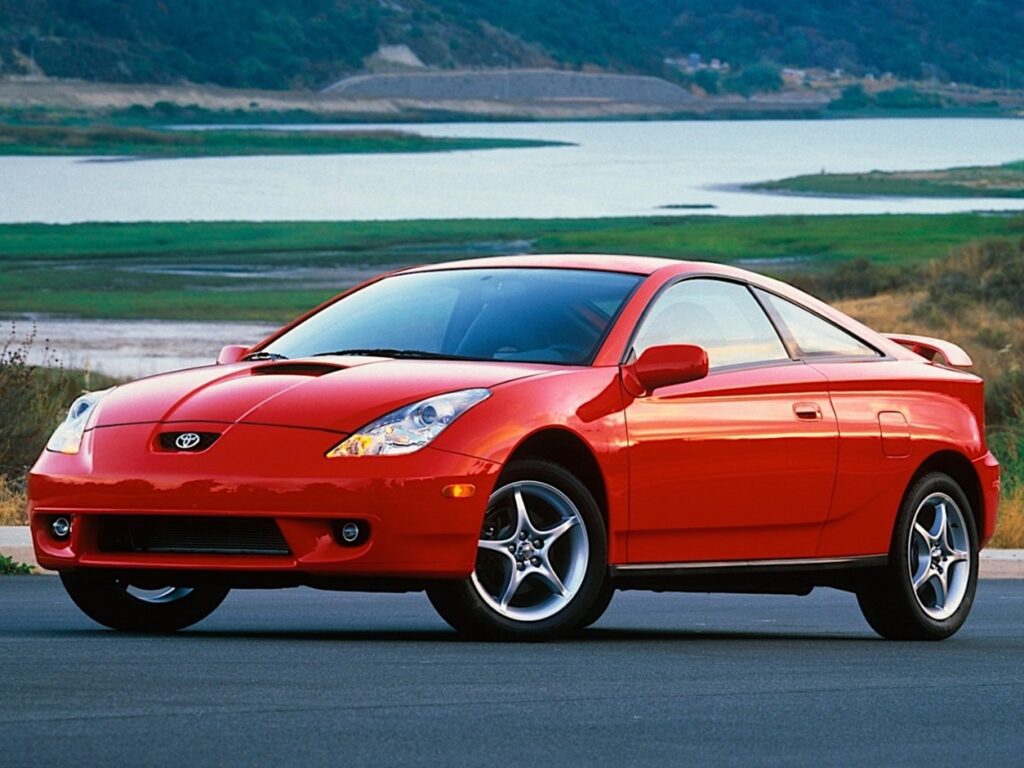
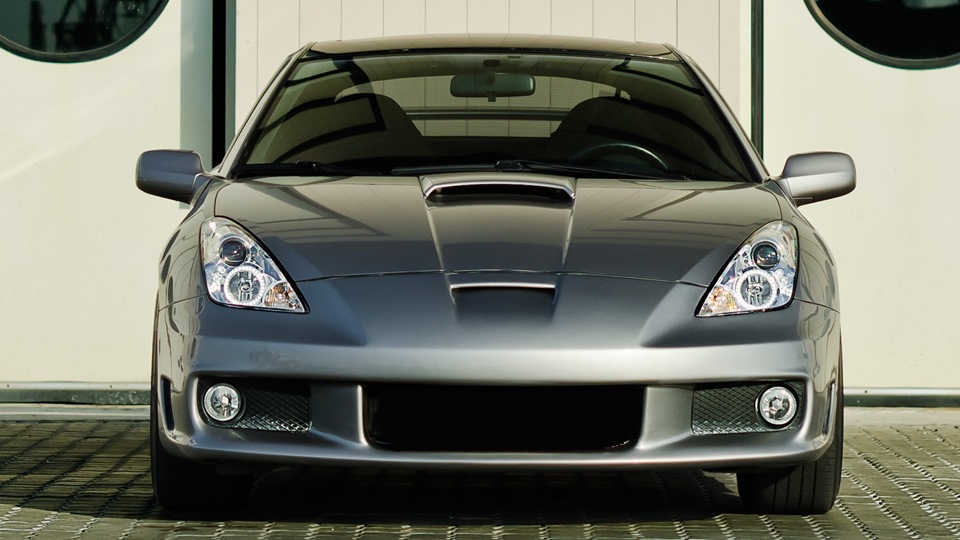
One of my favorite subtle appearance modifications for the 7th gen (2000-2005) Toyota Celica is the Tsunami hood scoop. In JDM-land they don’t call it the Tsunami edition for obvious reasons; its known there as the Sports-M edition. Regardless, the standard Celica hood comes with a functional hood scoop that draws fresh air in and directs it over the exhaust manifold and under the car. As you can see, the OEM hood scoop appears flush across the hood:
Is the Tsunami Edition Rare?
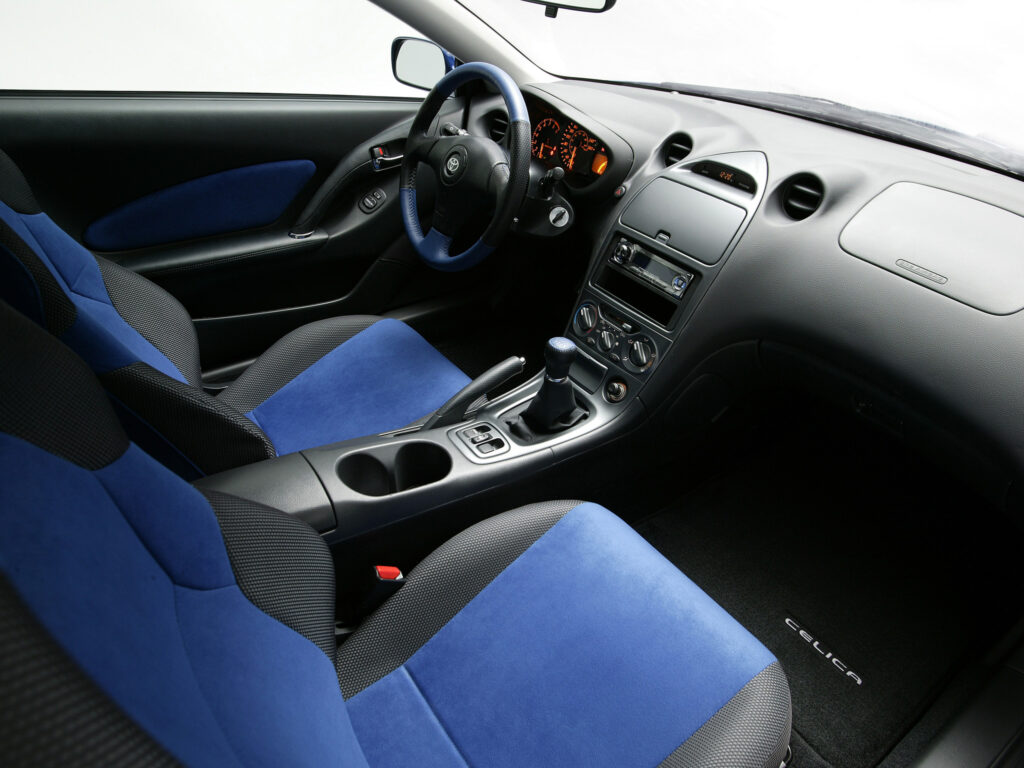
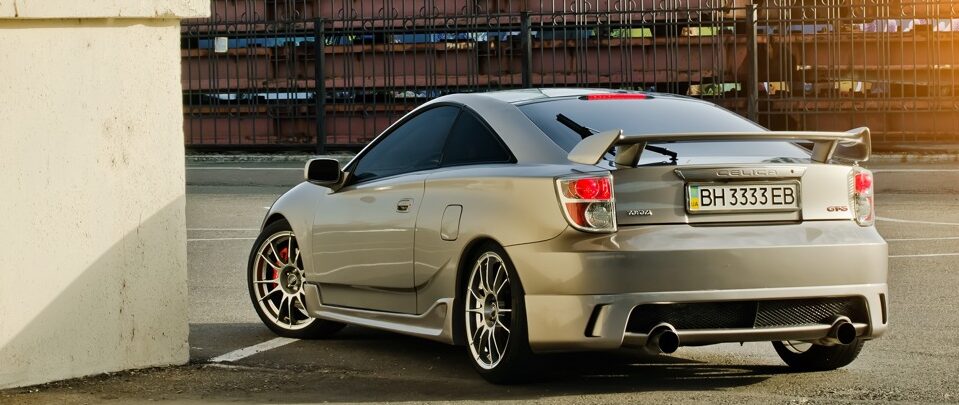
The Tsunami edition (Sports-M) Celica was only available in the last two years (2004-2005) of Celica production. The package consisted of a newly designed spoiler, clear/chrome taillights, a totally revised rear bumper lip (with an integrated exhaust tip), side skirts, front bumper, and the tsunami hood scoop. Occasionally, some color matched interior and exterior accents (steering wheel, seats, painted headlights) were also included.
US sales figures were in decline by the end of the production run which ultimately meant the demise of the Celica. Numbers stated for US sales online state that there were only 11,823 Celica’s sold between 04-05. The number of those that had the Tsunami package is unknown, but it’s likely a very small percentage of the total US Sales. Looking at a few Tsunamis you can see the obvious modifications:

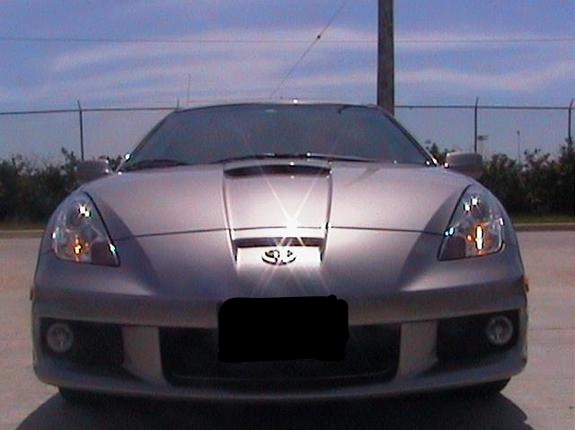
Here’s a great comparison of the stock scoop and the Tsunami hood scoop:
Reproduction:
The Tsunami Celica was a very rare and interesting car, but how does a Celica owner find one of these scoops nearly 20 years later? Well, I plan to write a post on how to find used Celica parts soon, so keep an eye out. However, what if someone had the technology and willpower to reproduce the scoop? What if that someone was me?
I followed the same process that I did with the TRD fog light covers, and the first step was to borrow the expensive 3D scanner again and scan an OEM hood scoop that I managed to acquire:
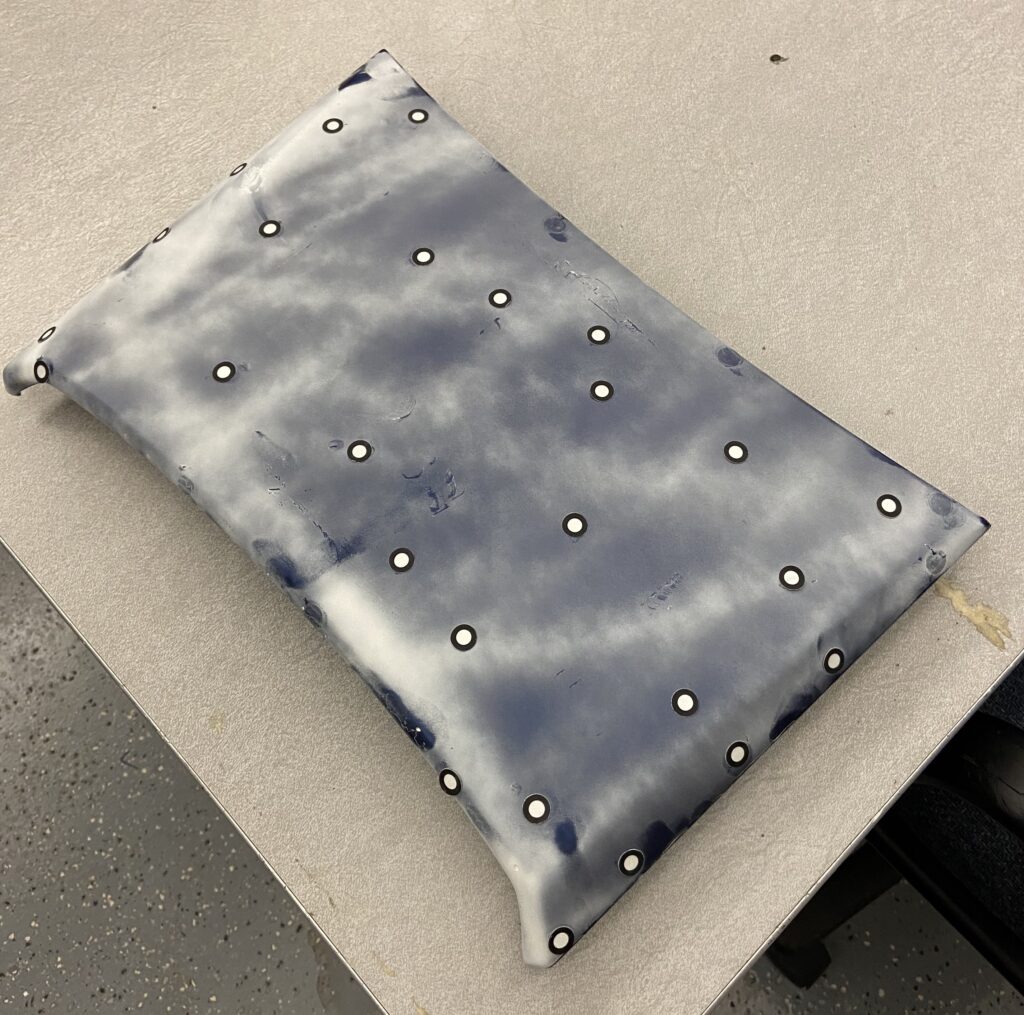
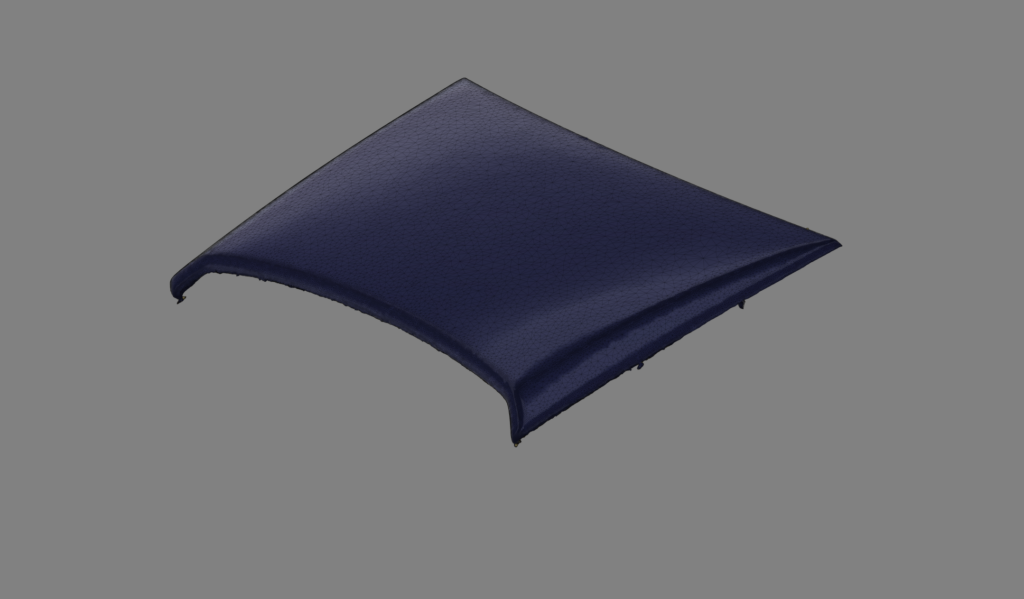
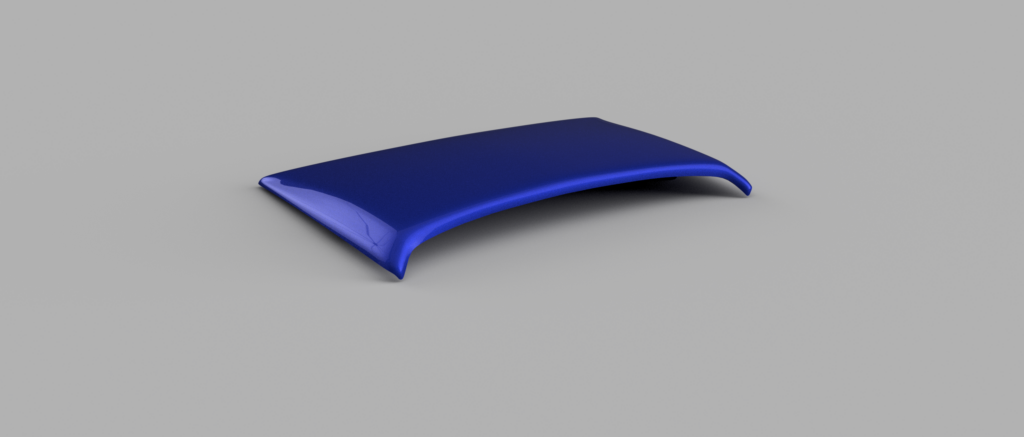
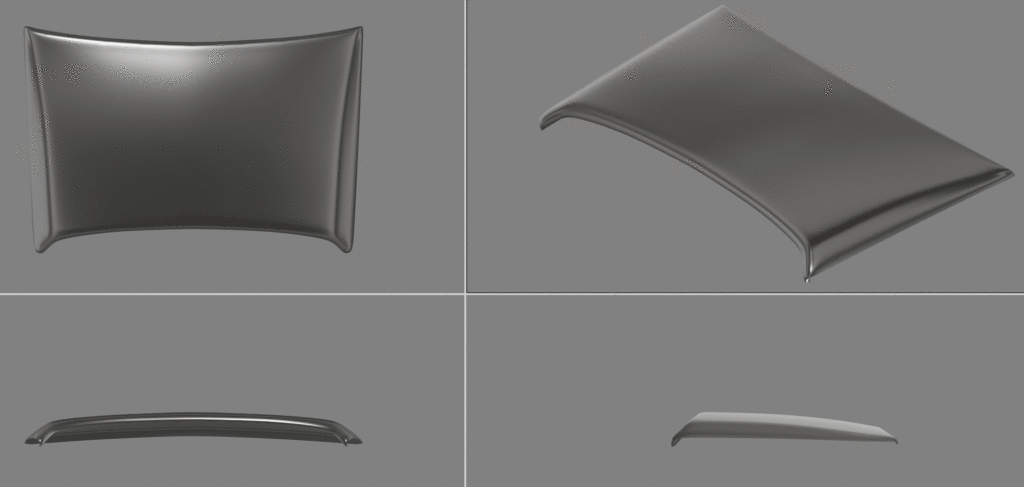
I then had to learn a more organic modeling flow, because even though the hood scoop scan data cleaned up well, it wasn’t good enough to print straight from the scan. In my CAD software, I used a type of modeling called “forms” modeling, which is much different from the typical parametric modelling that I do. After several attempts, I was able to come up with the following model:
Production:
First, I thought I would slice it into multiple pieces, print it on the resin printer, and then epoxy the pieces together. The first problem with that was that it creates too many flat surfaces (which end up deforming). The second problem with this plan is that I had to slice the hood scoop into eight pieces to fit on my build plate. Having so many pieces means that when I bond them all together, I end up with a tolerance stack-up that causes problems (which I came to find out later).
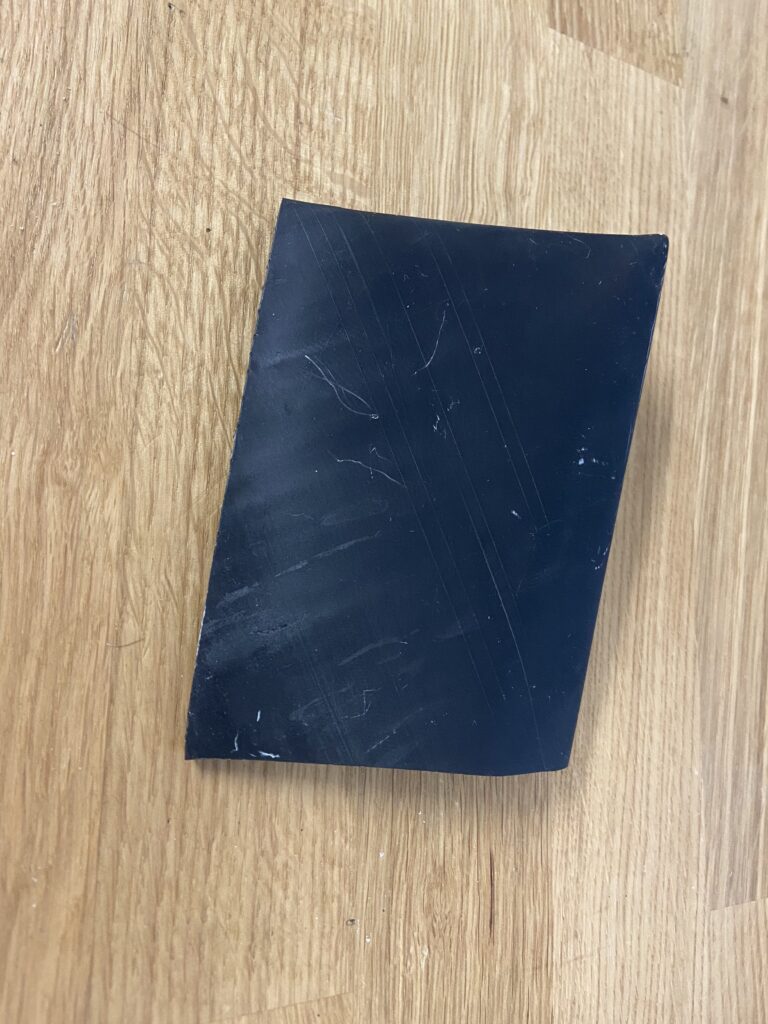
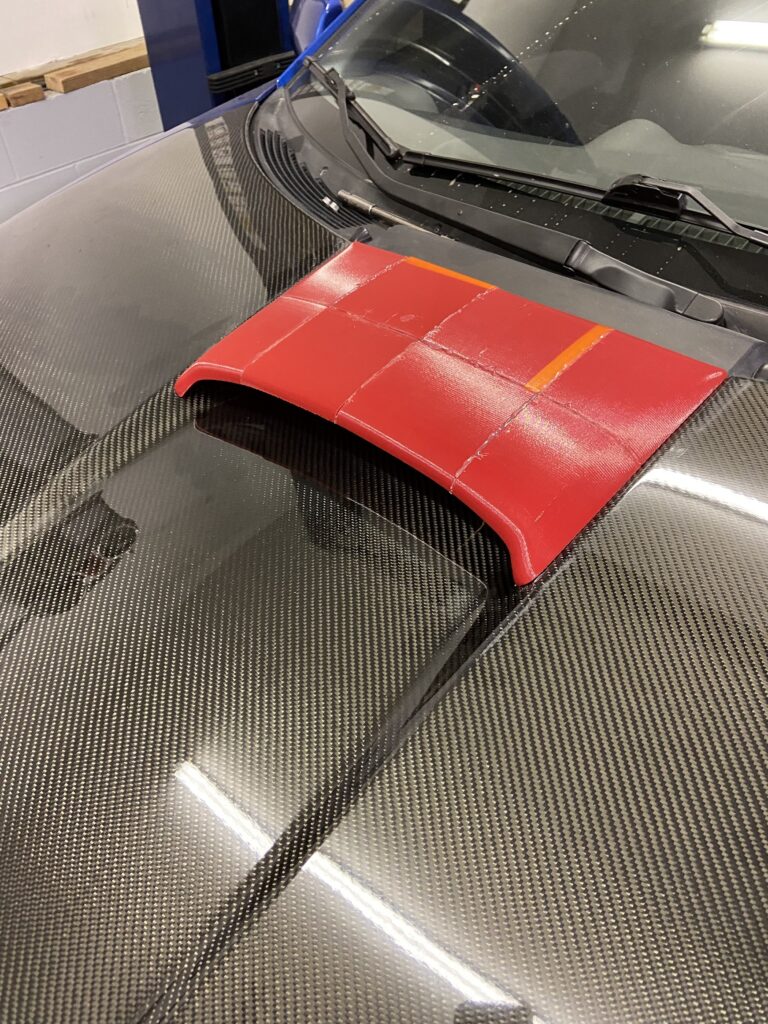
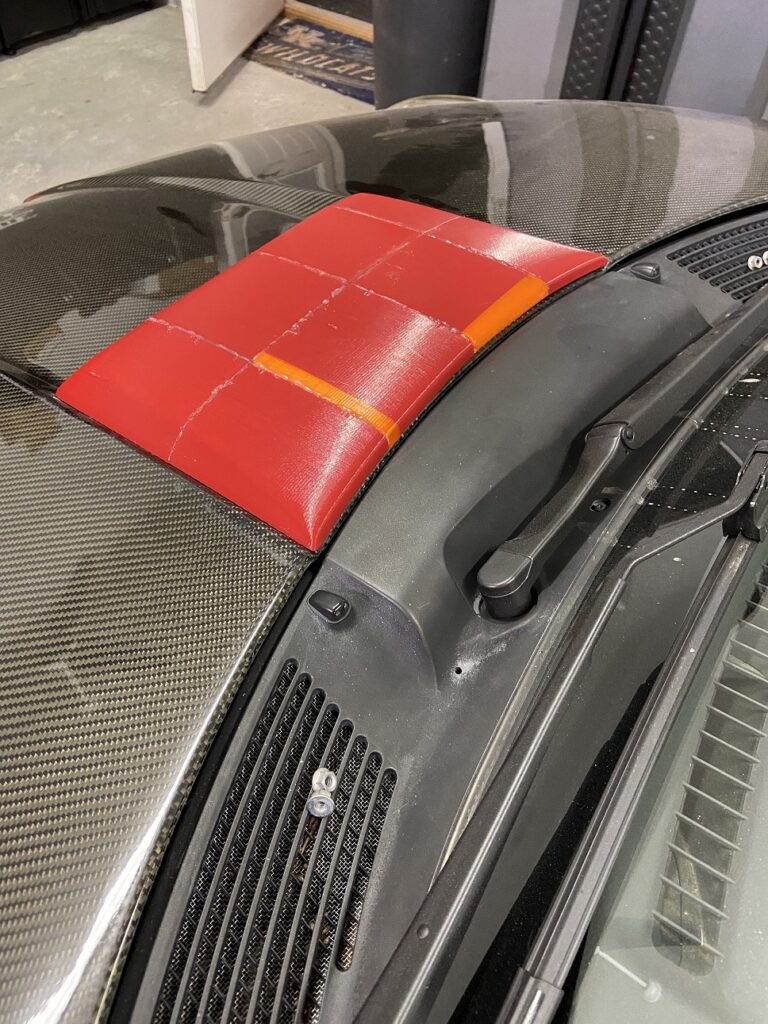
After trying to make this method work a few times, I ended up taking the file over to my FDM printer. Almost all of the flat parts could be stuck to the bed and that should mean that it works better, in general. I printed the parts in two batches and glued all the pieces together and test fit it to the car:
Current Status:
After fitting it to the car, I realized quickly that there were too many joints in the print. Every joint added a little bit of glue and over the number of joints the scoop grew too wide to fit correctly in its place. I’ve since sliced the scoop into halves to print on my FDM printer, but it needs maintenance. Once the printer is back online, I will print the whole scoop in two pieces and update the fitment check.
Also, I have ordered a consumer-grade 3D scanner that should also help me scan the hood itself. Having the hood in CAD would allow me to virtually test fit my scoop and verify its fitment without having to continually revise my model, print it, and check it.
End Goal:
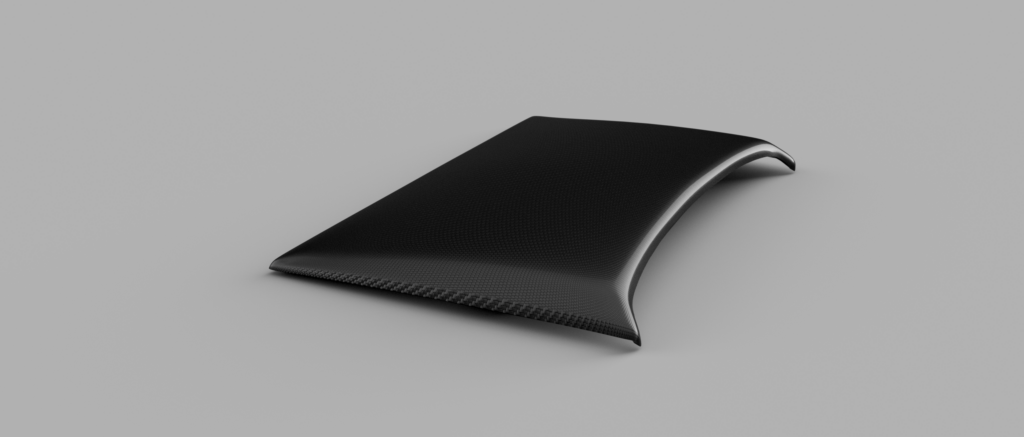
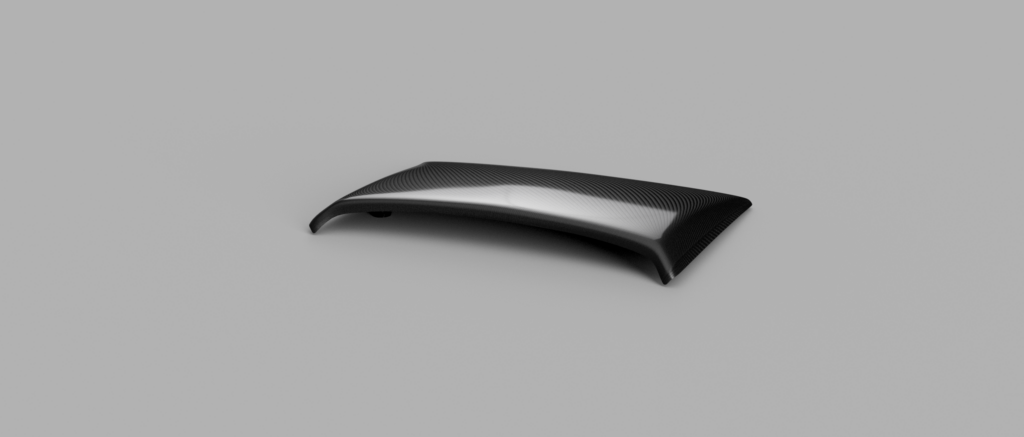
The end goal for this project is to be able to 3D print a very lightweight core that can then be used as a base for a carbon fiber layup. The process to produce one would then be to 3D print (FDM) the part in two halves, glue them together, wet layup 1-2 layers of carbon fiber on top of it, then finish it by sanding and adding additional resin to the top of the part. I rendered the scoop in carbon fiber to show what that might look like:
Conclusion:
The Tsunami Celica is a very rare edition of the 7th generation Celica and has a very desirable hood scoop. Now, nearly 20 years later, it is becoming very hard to find, so I am working to reproduce it! I have some more prototyping to do to get the fitment right before I move on to offering these up for sale. Once products are officially available, I will start a store page on this site and allow ordering. This project is still a work-in-progress, but as always, keep an eye out on my blog to see how the project is progressing.
Looking forward to seeing the progress on this project! The Tsunami edition hood scoop is a beautifully subtle difference that I would be honored to put on my project Celica. Being that it’s a highly sought after, rare 20 year old part– this reproduction project would certainly be something I would be interesting in acquiring! Thanks for your service.
– Nico
Nico,
Thank you for reaching out! The 3D-scanner I backed on KickStarter is currently in a legal dispute regarding copyright infringement. It was supposed to be here by now and is causing delays on my development. I’ll post an article update when things get moving again. Keep an eye out!
Pingback: Top 5: Simple/Clean Mods - Wildc4t Workshop
This is almost exactly what I was planning, except that tsunami scoops are even rarer down here in Aus so I’ve had a hard time trying to find something to scan.
Would you be able to share the model? I’d like to see if I can make it work.
Justin,
Thanks for stopping by and reading my post. Right now, I’d like to keep the model to myself. I have many hours in it already and shouldn’t be too far away from getting my new 3D scanner (allowing me to finish this project). Once it’s complete, you’re welcome to order one and duplicate it though.